Research & Writing Interests
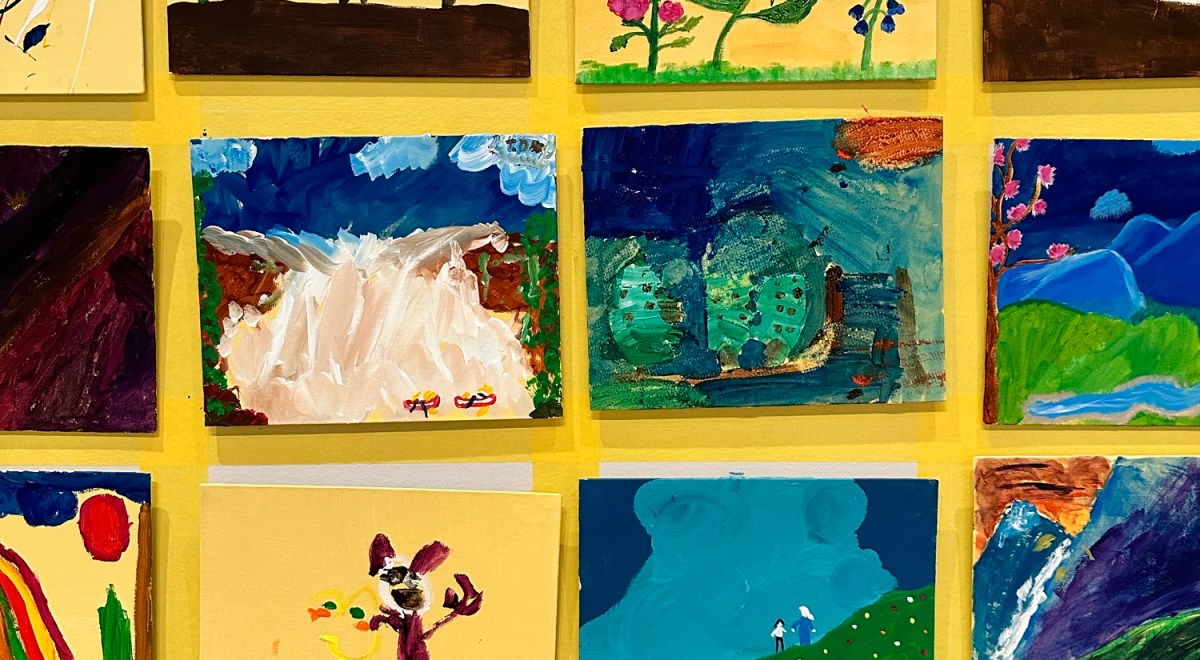
My research and writing explore the intersections of art history, museum practice, interpretation, and public engagement. I am interested in how objects, images, and exhibitions produce meaning across scholarly, institutional, and lived contexts, and in how museums can create conditions for inquiry, reflection, and exchange. Bringing together art-historical analysis with questions of affect, pedagogy, visitor meaning-making, and experience design, my work increasingly focuses on the university museum as a space for interdisciplinary learning and public dialogue. I am especially drawn to forms of writing that move between academic and accessible registers, including conference papers, essays, interpretive texts, and longer-form research.
Emotional Intelligence in Museum Engagement and Experiences
I am interested in how museum experiences can invite emotional, affective, and reflective forms of engagement. This includes how exhibition design, interpretive framing, spatial context, and participatory elements shape the ways visitors feel, connect, and make meaning. I am especially drawn to questions of how emotion operates not as a secondary response, but as a meaningful dimension of learning, interpretation, and public experience.
Reflective Interpretation
I am interested in forms of interpretation that encourage slow looking, inquiry, and sustained engagement with objects, images, and ideas. This includes the design of prompts, activities, and spaces that open room for reflection without overdetermining meaning. I see reflective interpretation as a way of supporting both intellectual and personal connection while preserving complexity and curiosity.
Visitor Meaning-Making
I am interested in how visitors construct meaning through encounters with exhibitions, collections, and museum spaces. This includes questions of personal narrative, memory, dialogue, and how museum experiences can become sites for individual and collective interpretation. My work in this area is shaped by both art-historical inquiry and visitor-centered research methods.
Object-Based Learning and Visual Inquiry
I am interested in the pedagogical possibilities of objects and works of art, especially in relation to close looking, questioning, comparison, and interpretation. This includes how museums can support learning across disciplines through direct engagement with visual and material culture. I am especially interested in how object-based inquiry can foster confidence, curiosity, and deeper forms of attention.
Art History and Public Interpretation
I am interested in the relationship between art-historical research and public-facing interpretation. This includes questions of how scholarly knowledge is translated, shared, and made meaningful in museum contexts through exhibitions, interpretive texts, programming, and educational design. I am drawn to approaches that preserve rigor while also expanding accessibility and dialogue.
Memory, Materiality, and Narrative
Across my scholarly and creative work, I return to questions of memory, materiality, fragmentation, and narrative. I am interested in how objects and images hold traces of lived experience, cultural meaning, and emotional resonance, and in how visual and material forms can carry both personal and collective histories.
Academic Museums and Interdisciplinary Learning
I am particularly interested in the university museum as a site for interdisciplinary teaching, collaborative inquiry, and public exchange. I see academic museums as uniquely positioned to bring together research, collections, pedagogy, and community engagement in ways that expand how art and culture is studied, taught, and experienced.
Japanese Art and Visual Narrative
I am interested in Japanese art and visual culture, particularly the ways narrative, symbolism, and formal choices shape interpretation. My earlier research on Genji Monogatari Emaki explored how color, composition, and visual nuance contribute to narrative meaning and emotional tone, and this continues to inform my broader interest in close looking and interpretive depth.
Contemporary Art and Exhibition Context
I am interested in contemporary art and the ways exhibition context shapes interpretation, political meaning, and viewer response. My research on Martin Puryear and the Venice Biennale sharpened my interest in how sculptural form, historical reference, and institutional framing intersect within contemporary spaces.
Presentations & Papers
From Transactional to Transformational: Rethinking Frontline Museum Work as Creative Practice
Every museum visit begins with a greeting— moments shaped by Visitor Services staff whose work extends beyond the transactional. Yet their role is rarely framed as creative practice or leadership. What becomes possible when Visitor Services is reimagined as a vital site of innovation and visitor connection?
Drawing on my experience building and leading a Visitor Services team during a period of transition at the McClung Museum, I will share how a healthy team culture rooted in trust and advocacy transformed Visitor Services from a non-existent line on the organizational chart into a visible, collaborative hub of innovation. This presentation reframes the conversation by weaving together leadership narrative, team development, and the institutional dynamics that shape frontline work.
Through personal storytelling, staff reflections, and case studies—including student leadership initiatives, empathy-based training, and cross-departmental collaborations—this session will demonstrate how frontline staff shape visitor engagement strategies, influence institutional culture, and build resilience for the future of museums.
Attendees will leave with practical strategies to strengthen frontline culture, language and frameworks to advance labor from undervalued transactions to essential insights, and adaptable tools to advocate for and initiate Visitor Services as a site of creative practice within their own institutions.
Curating for Feeling: Emotional Intelligence and Museum Engagement
Museums are traditionally sites of education and preservation—but they are also landscapes where deeper individual connections and community engagement unfold. This paper explores how designing for emotional literacy and reflective engagement can transform museum experiences by fostering belonging, curiosity, and personal meaning. Drawing on visitor engagement initiatives I developed at the McClung Museum of Natural History and Culture—including the all-gallery EXPLORE booklet for self-guided discovery, art education and emotion-focused family activities, the community art initiative Three Sisters: Cultural Continuity, and a Sunflowers & Feelings interactive installation—I examine how creating opportunities for reflection invites visitors into deeper relationships with art, history, and each other. Grounded in visitor engagement theory, affective museum studies, and design thinking, this paper proposes that fostering emotional connection is central to cultivating belonging, psychological safety, and relevance for contemporary audiences. By designing spaces where visitors are invited to feel as well as to learn, museums can offer richer, more transformative experiences rooted in shared humanity—reimagining museums as vital third spaces for emotional growth and community connection.
 Amanda Beasley